

Good morning Middle East Eye readers,
Tensions remain high as Iran and the US clash over maritime control, stalled diplomacy and military actions, with ripple effects across global markets and regional stability.
Developments in Lebanon, energy routes, and domestic politics signal a fragile moment as Pakistan tries to broker peace while escalation and negotiation remain closely intertwined.
Here are the latest developments:
Iranian media is reporting that Tehran is not planning to attend talks with the United States, after President Donald Trump ordered US negotiators to travel to Pakistan on Monday, just days before a ceasefire in the Middle East expires.
Oil prices have jumped over 4 percent after the US seized an Iranian vessel, raising fears over global supply disruptions.
Iran has warned that war could resume ‘at any moment’, citing deep distrust of the US despite ongoing exchanges, as Tehran accuses Washington of ‘betraying diplomacy’ and violating ceasefire understandings.
Iran has confirmed the seizure of its ship, and has called it “maritime piracy” and vowed retaliation.
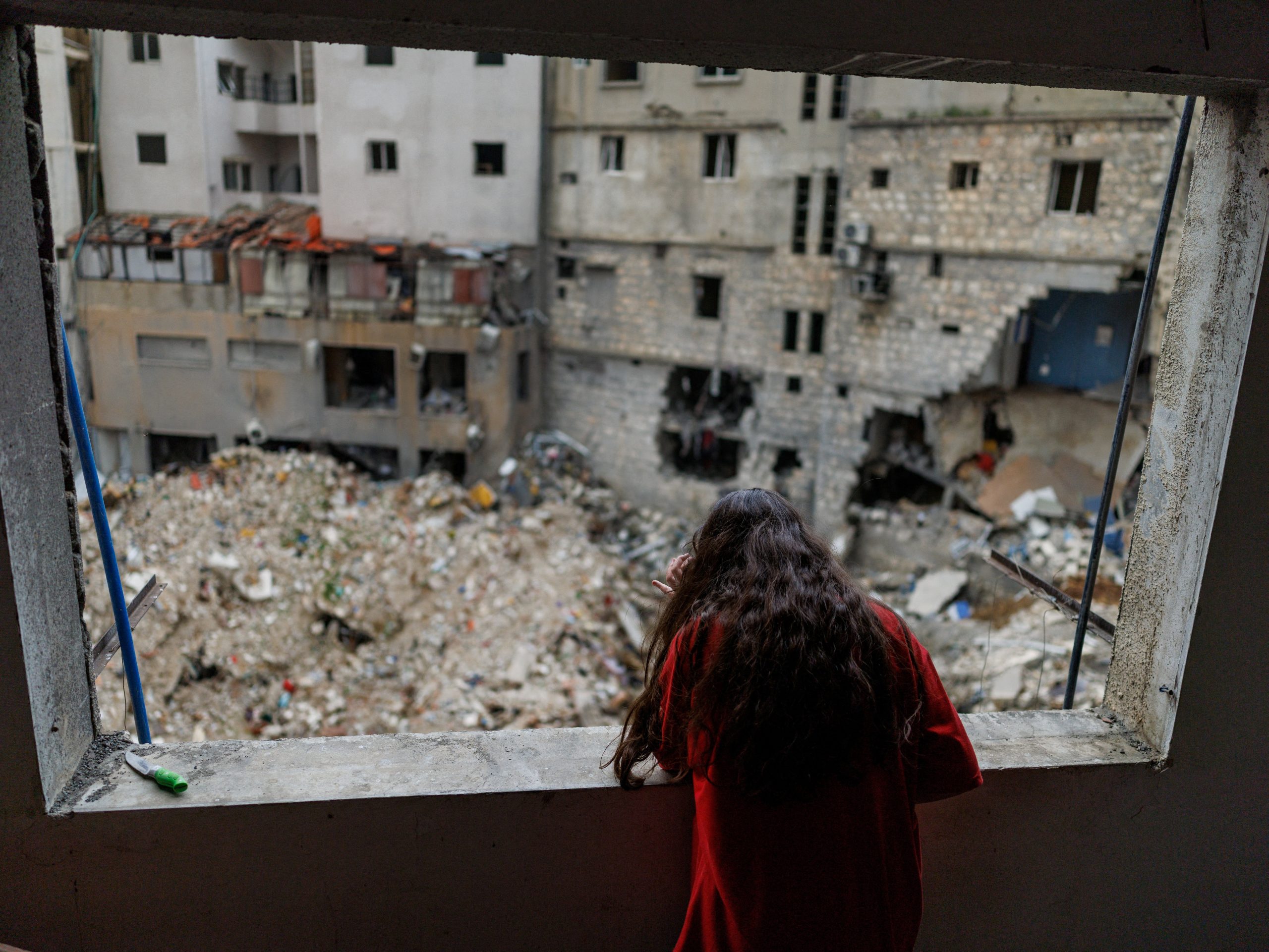
Israel has continued demolishing towns in southern Lebanon despite a ceasefire, drawing condemnation.
Netanyahu has said that the conflict with Iran is ‘not over’, warning new developments could emerge anytime.
A US poll shows Trump’s approval at 37 percent, with strong disapproval over his handling of the Iran war.
Hormuz tensions have escalated further, with ships being fired upon and Iran tightening control over passage.