

An Iranian exile and independent investigative journalist is heading toward a critical court hearing in Canada, as members of a prominent Iranian family seek to curb her ability to publish allegations linking them to wealth and influence tied to the Islamic Republic.
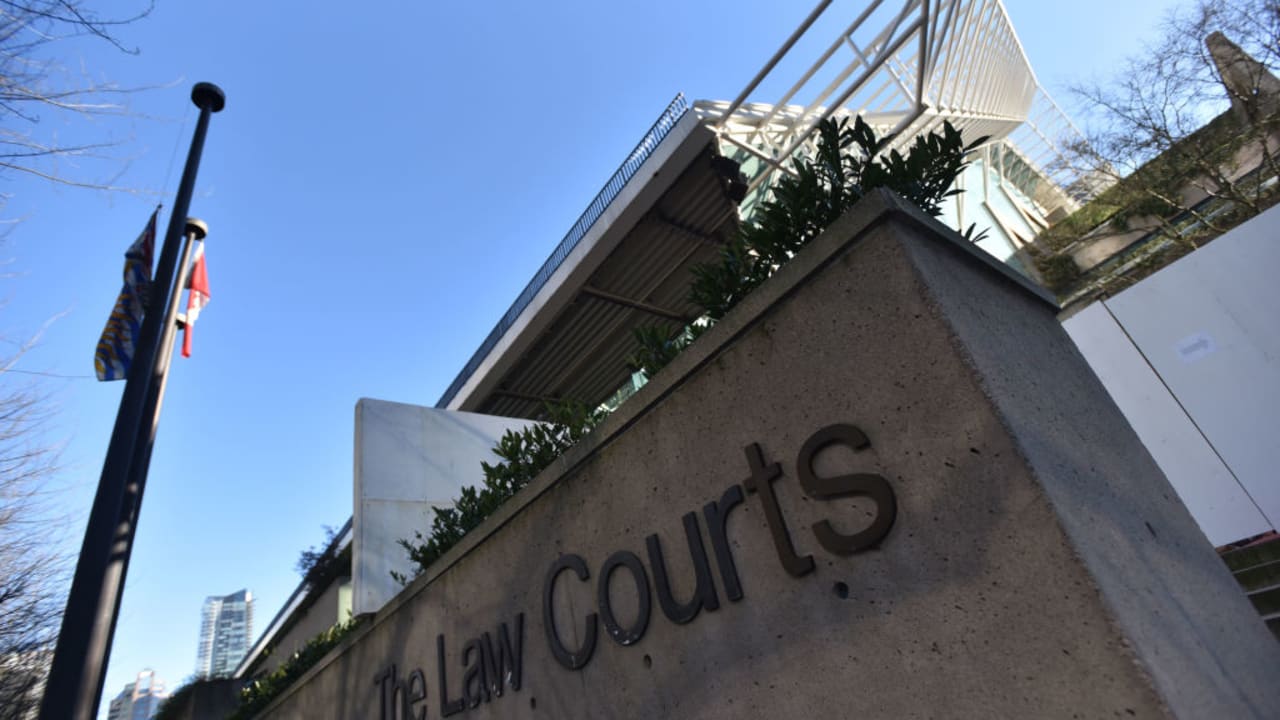
The case, before the Supreme Court of British Columbia in Vancouver, has been brought by Mitra Tarameshloo, her husband Alaeddin Ahmadi, and, in amended filings, businessman Ali Tarameshloo (as well as other members of the Tarameshloo family, including Mehdi and Mohammad Tarameshloo), against Mira Nassiri and several co-defendants, including UK-based broadcaster Volant Media, which operates Iran International TV.
At the center of the case are Nassiri’s claims that members of the Tarameshloo family are tied to financial networks connected to senior figures in Iran, and that some of their wealth traces back to the Islamic Republic’s system.
Canadian defamation law, however, does not deal with those claims directly at this stage. Instead, the court must first decide whether what was said crosses the line into reputational harm – and whether it is protected as truth or as reporting in the public interest.
The case is now moving toward another hearing on May 11, where judges will hear further arguments about how the lawsuit itself should proceed.
The hearing will focus on whether the plaintiffs can amend their case, including converting it from a proposed class action to a standard civil proceeding and expanding the list of parties.
The Tarameshloo family is often accused by members of the Iranian diaspora of being affiliates of the Iranian regime, which has allowed them to live in luxury abroad while maintaining links to regime power structures. The family has connections to Gholam-Hossein Mohseni-Eje’i, head of the Islamic Republic’s judiciary and a regime hardliner, as well as former president Mahmoud Ahmadinejad.
While framed as a defamation lawsuit, the immediate legal battle is not yet about whether the allegations are true. Instead, the court is being asked to determine how the case should proceed and, previously, whether to place limits on what can be said publicly before a trial.
Court filings show that the family accuses Nassiri and others of running a sustained campaign across social media and online platforms that falsely associates them with corruption, criminality, and ties to the Iranian regime.
They argue that these claims were widely circulated within Iranian diaspora communities and amplified through coordinated online activity, causing what they describe as significant personal and financial damage.
Nassiri disputes that, framing her work as part of a broader effort to examine how wealth linked to Iran moves beyond its borders.
“This is about accountability,” she told The Jerusalem Post. “If there are assets or networks tied to the regime abroad, people have a right to know.”
She added that, in her view, attempts to stop publication before trial risk setting a wider precedent.
“If someone believes something is false, the place to address that is in court – not by trying to silence it beforehand,” she said.
Counsel claims accusations ‘unfounded’
Lawyers for the plaintiffs say the case is grounded in a lack of evidence behind the allegations. In correspondence reviewed by the Post, counsel said the claims made by Nassiri and others were “unfounded” and that the plaintiffs “have denied them all,” adding that the impact on their clients has been “devastating.”
Nassiri rejected that characterization, telling the Post, “These are not random accusations. Everything I’ve published is based on material that I believe is in the public interest.”
The case has also drawn attention because of how the dispute has spilled beyond social media.
Among the material filed in court is a video recorded by Nassiri during an encounter with Bita Tarameshloo and her husband in a department store in West Vancouver in February 2025.
In a sworn statement, she states Tarameshloo confronted her, made threats, and referred directly to the allegations at the center of the case.
“It showed me that this was not just something happening online,” she said. “It had moved into real life.”
The family disputes that account and denies the underlying allegations.
Additional exhibits filed in the case include translated messages and social media material submitted as part of the evidentiary record, reflecting how the dispute has played out both online and offline.
The case has evolved significantly since it was first filed in February 2024.
Originally structured as a proposed class action on behalf of members of the Tarameshloo family, the plaintiffs are now seeking to amend the claim to proceed as a standard civil action, while also adding Ali Tarameshloo as a named plaintiff and expanding the scope of the proceedings.
Defense counsel have opposed aspects of these proposed amendments, and the upcoming hearing is expected to address those disputes.
“The May 11 hearing is really about the structure of the case going forward,” Nassiri said. “It’s not yet about deciding who is right or wrong on the facts.”
She added: “What is being argued now is whether the case should change shape and who should be included in it.”
Canada scrutinizing alleged ties to Iranian regime
The dispute comes amid wider scrutiny in Canada over allegations that individuals linked to the Iranian regime have established financial and personal footholds in Western countries.
Nassiri stated that, in her view, “these cases are part of a larger question about whether Western systems are willing to confront these issues directly.”
The plaintiffs reject that framing, maintaining that the allegations against them are unfounded and have caused serious harm.
The May 11 hearing is expected to mark a key stage in the case, focusing on whether the plaintiffs’ proposed amendments will be allowed and how the litigation will proceed.
A decision following that hearing could determine whether the matter proceeds to a full trial, where the underlying allegations and the evidence supporting them would be tested in court.