

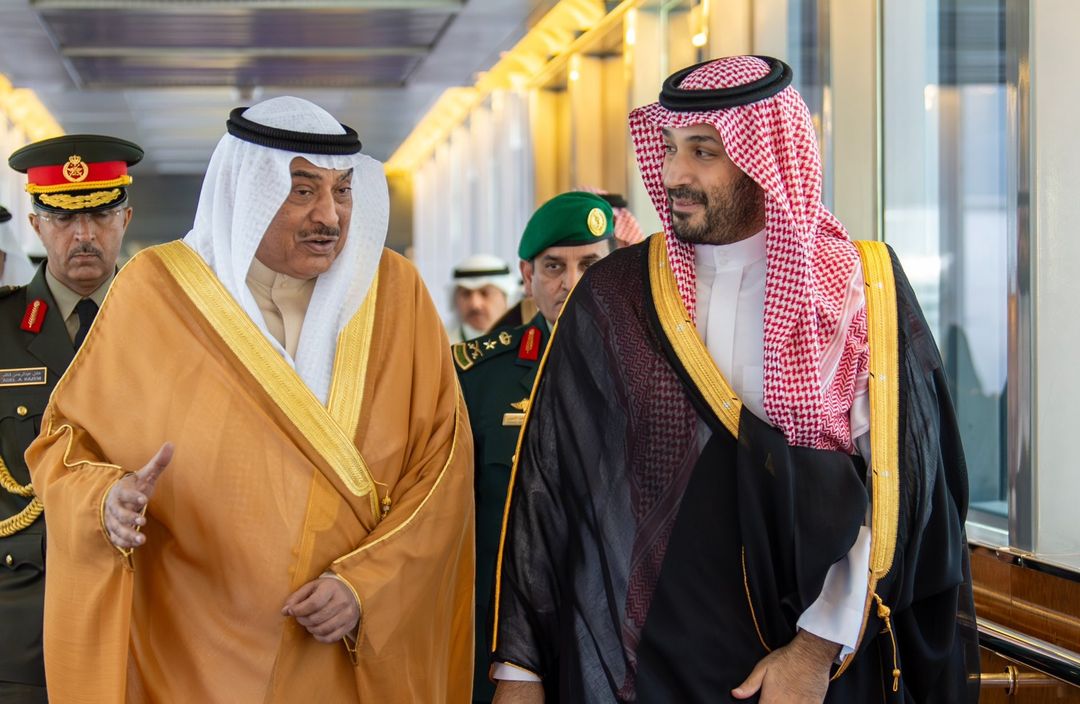
The summit was overshadowed by a bombshell announcement from the United Arab Emirates, which said it would withdraw from OPEC and OPEC+ to focus on “national interests” as energy prices soar.
The move by one of the world’s top oil producers signals fissures in cooperation with other oil-producing countries in the region.
The UAE has also been the GCC’s most vocal critic internally.
Senior UAE official Anwar Gargash called the bloc’s response to the Iran war “the weakest in history,” saying he had expected such weakness from the Arab League but not from the GCC, remarks that set a tense backdrop for the Jeddah gathering.
The UAE was represented at the summit by its foreign minister, Abdullah bin Zayed Al Nahyan, rather than by the head of state.
On the table: Joint pipeline and missile defence
Beyond the Hormuz dispute, GCC leaders ordered swift steps towards building a joint oil and gas pipeline, a move aimed at reducing dependence on the strait for energy exports.
Leaders also agreed to establish a joint early warning system to counter ballistic missile threats, signalling a shift towards deeper collective security cooperation and integrated Gulf defence, enhancing missile detection, deterrence and collective security cooperation.
The decisions reflect the scale of damage Gulf states have sustained since the war began. Iranian missile and drone attacks have struck energy infrastructure, US-linked firms, civilian installations, and military sites across all six GCC member states over the past two months.
What the summit could not solve
Despite the show of unity, the summit faces significant limitations.
US-Iran peace talks remain stalled, with negotiations held in Islamabad on April 11 ending without an agreement.
US President Donald Trump extended the ceasefire at Pakistan’s request pending a proposal from Tehran, but no breakthrough has been announced.
The security situation remains volatile. Drones targeted Baghdad’s Green Zone this week in the first such incident since the April 8 ceasefire, while Israeli strikes in southern Lebanon killed eight people on Tuesday despite a separate ceasefire there.
For Gulf leaders, Tuesday’s summit may be a starting point, but the harder diplomatic work lies ahead as their lifeline, the Strait of Hormuz, remains off-limits.