

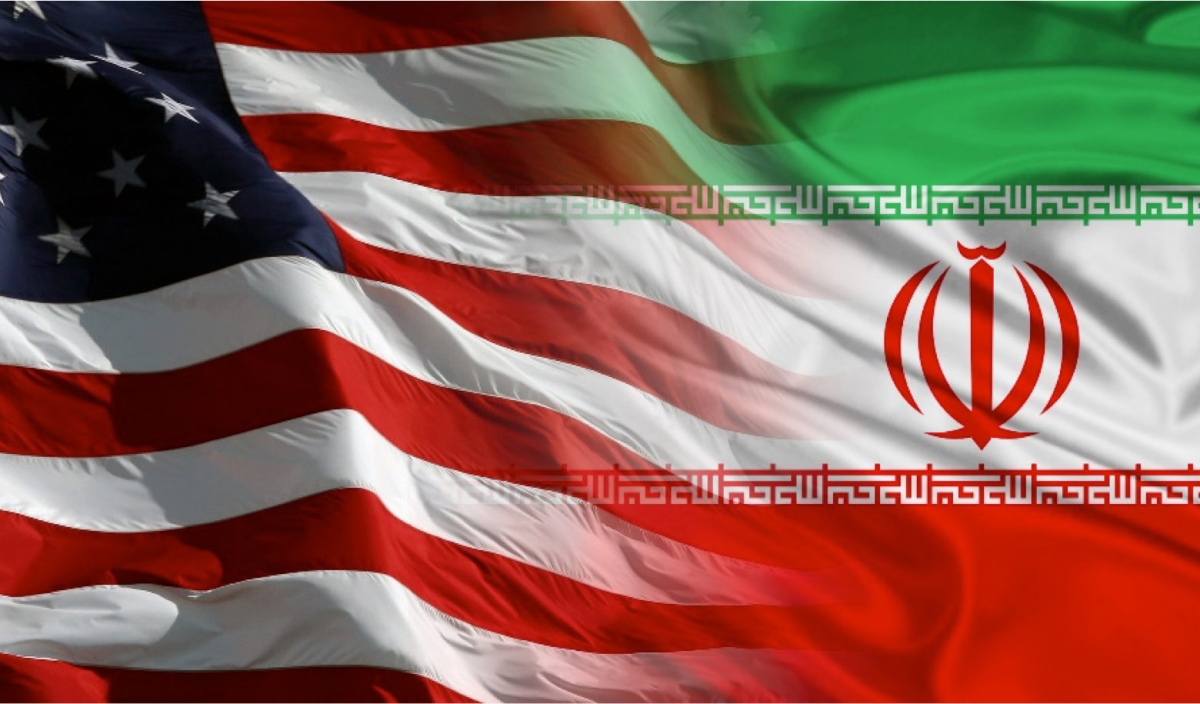
The United States and Iran are preparing to resume peace talks on Wednesday as a temporary ceasefire between both countries approaches its expiration this week.
U.S. officials have expressed optimism that negotiations will proceed in Pakistan, while a senior Iranian official indicated that Tehran is considering participation despite lingering uncertainties.
The renewed diplomatic push comes amid concerns over oil market stability and geopolitical risks, with U.S. President Donald Trump insisting that any agreement must prevent Iran from developing nuclear weapons.
Both sides have signalled cautious willingness to return to the negotiating table, although key disagreements remain unresolved.
Iranian officials say Tehran is “positively reviewing” participation in the talks but has not taken a final decision.
Sources involved in the discussions told Reuters that momentum is building for talks to resume, potentially with high-level participation from U.S. officials.
Iran is reportedly seeking to leverage its control of the Strait of Hormuz to secure sanctions relief and avoid a resumption of hostilities.
The United States, however, maintains that any agreement must include strict limitations on Iran’s nuclear capabilities.
The planned talks follow a two-week ceasefire agreement reached on April 8 after heightened tensions in the Middle East.
The ceasefire included provisions to reopen the Strait of Hormuz, a critical global oil shipping route.
It was brokered by Pakistan with support from China, just hours before a U.S. deadline for escalation.
Earlier negotiations in Islamabad failed to produce a lasting agreement, raising concerns about renewed conflict.
Oil markets have responded sharply to developments, with prices fluctuating based on expectations around the talks.
Brent crude and U.S. West Texas Intermediate prices both declined slightly in early trading, reflecting cautious optimism over the potential resumption of diplomacy.
Despite the diplomatic efforts, tensions remain elevated between the two countries.
Iran has accused the United States of intercepting one of its commercial vessels, describing the move as a violation of the ceasefire.
U.S. officials claim the vessel failed to comply with warnings and may have been carrying dual-use materials.
China, a major buyer of Iranian crude, has expressed concern over the incident and its implications for regional stability.
Iranian officials have warned that continued actions by the U.S. could undermine the peace process and trigger further escalation.
The developments highlight the fragile nature of the ceasefire and the complexity of reaching a durable agreement.
The Strait of Hormuz remains central to the ongoing tensions and global economic concerns.
The waterway handles a significant portion of the world’s daily crude oil shipments.
Any disruption to its operations can have immediate impacts on global oil prices and supply chains.
Iran’s strategic influence over the Strait is seen as a major bargaining tool in negotiations.
Analysts warn that prolonged uncertainty could continue to drive volatility in energy and financial markets.
As the ceasefire deadline approaches, the outcome of the planned talks is expected to play a critical role in shaping both regional stability and global economic conditions.