

- Multiple ships with Indian crew targeted in recent weeks.
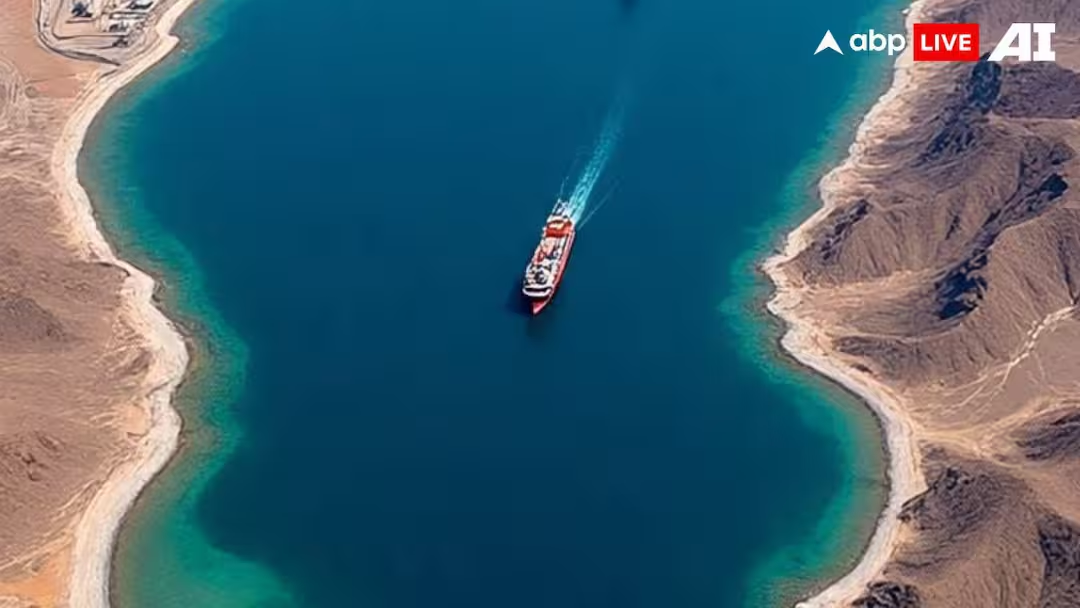
An Indian-crewed chemical tanker navigating the volatile waters of the Strait of Hormuz was intercepted by Iranian coast guard vessels, with warning shots fired during the encounter. Officials confirmed that all crew members aboard the vessel are safe, despite the tense standoff. The tanker, identified as Chiron 7 and flying the Togo flag, was sailing near Oman’s Shinas port on April 25 when Iranian forces moved in. The interception took place as part of a broader attempt to halt a group of ships transiting the region, underscoring the growing risks facing commercial vessels in one of the world’s busiest energy corridors.
Interception Sparks Alarm, Crew Safe
According to officials, the vessel was part of a convoy when Iranian patrol boats issued orders to stop. Mandeep Singh Randhawa of the Ministry of Ports, Shipping and Waterways stated that a ship, along with a few others, had been sailing in the area when the Iranian coast guard requested that the vessels be intercepted, and that some warning shots had been fired by them, as per reports.
The Chiron 7 has a crew of 24, including 17 Indian nationals. Two Indians, Ankit Kumar and Sagar Chand, sustained minor injuries, along with Egyptian crew member Zeyad Taha. Authorities reported no fatalities. The multinational crew also includes personnel from Egypt, Bangladesh, Pakistan, and Iran. Tracking data indicates the vessel is now en route to Sharjah.
ALSO READ: Outrage In Pakistan As Army Strike On Civilians Kills Children After Afghanistan Air Raids
Rising Risks In A Strategic Chokepoint
The Strait of Hormuz remains a critical artery for global energy supplies, historically handling a significant share of the world’s oil and gas shipments. However, since late February, the region has witnessed heightened tensions following military actions involving the United States, Israel, and Iran.
Tehran has imposed restrictions on maritime movement in response, while Washington has taken countermeasures, including blockading Iranian-linked ports and intercepting vessels. These developments have turned routine shipping routes into high-risk zones.
Incidents Raises Concern
The latest confrontation is part of a broader pattern of maritime disruptions. On April 18, two Indian-flagged vessels, the Sanmar Herald and Jag Arnav, reportedly came under fire while transiting the strait, forcing them to retreat.
In another recent episode, two foreign-flagged ships carrying Indian crew members were targeted by vessels linked to Iran’s Islamic Revolutionary Guard Corps. Altogether, around ten such incidents involving ships with Indian personnel have been reported in recent weeks.
ALSO READ: Trump Unhappy With Iran’s New Terms To End War, Unlikely To Accept Proposal: Report
Safety Concerns For Indian Seafarers
The repeated confrontations have raised serious concerns about the safety of Indian seafarers operating in the Gulf region. With tensions showing no immediate signs of easing, shipping companies and authorities are closely monitoring developments and reassessing maritime routes.