

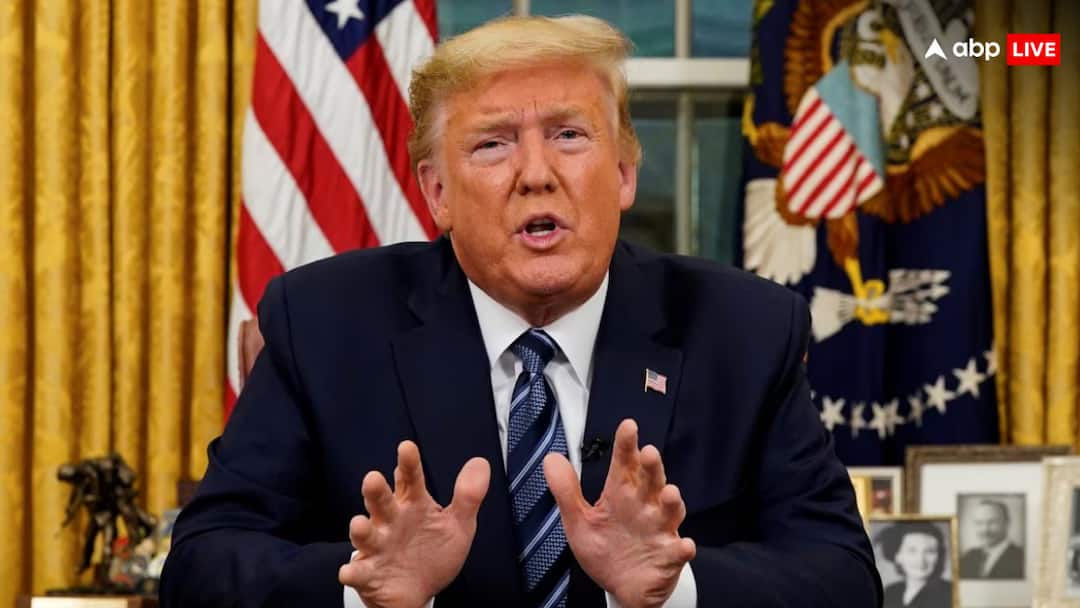
- US-Iran conflict nearing 60-day mark, Trump’s war powers debated.
- War Powers Act limits unauthorized conflict to 60 days.
- Ceasefire complicates timeline; US-Iran talks remain stalled.
It will soon be 60 days since a surprise US-Israeli attack on Iran triggered a full-blown war, sending shockwaves across the Middle East.
While a fragile ceasefire remains in place, threats between the US and Iran continue, and the future of negotiations in mediator state Pakistan remains uncertain.
A key question now looms: Will US President Donald Trump adhere to the legal 60-day limit on unauthorised wars, or will the conflict continue?
What The US War Powers Act Says
Under the War Powers Act of 1973, any war initiated without Congressional authorisation, as is the case with the Iran conflict, carries a 60-day limit for military action.
After that, the President may seek an additional 30-day window for an orderly withdrawal.
The US President is also required to inform Congress within 48 hours of deploying troops, detailing the scope and nature of the military action, according to a CNN report.
That additional withdrawal period can be granted if the President argues that more time is needed to ensure the safety of withdrawing forces.
Congress Holds Formal War Authority
Under US law, Congress retains the authority to formally declare war and control related resources, including military spending and troop deployment, according to Bloomberg.
However, prior Congressional approval is not required if the US has been attacked or faces an imminent threat.
A Reuters report published days after the war began said Trump administration officials told congressional staff in closed-door briefings that there was no intelligence suggesting Iran planned to attack US forces first.
Confusion Over The 60-Day Timeline
There is disagreement over when the 60-day clock expires.
According to CNN, some legal experts argue the deadline falls 60 days after military strikes began, placing it on April 29.
Others contend the clock starts when Congress was formally notified, which would shift the deadline to May 1.
Ceasefire Complicates The Calculation
The continuing ceasefire has further muddied the legal interpretation.
Several Democratic and Republican lawmakers believe the truce effectively pauses or delays the 60-day countdown.
“You can’t punish ceasefires. We want them to sit down and talk to each other,” GOP Representative Brian Fitzpatrick told CNN.
Despite the law, the War Powers Act has historically not been treated as a binding legal constraint by US presidents, including Trump, many of whom have challenged its authority.
US-Iran Talks Remain In Limbo
Diplomatic efforts between Washington and Tehran remain stalled.
After the first round of US-Iran talks in Pakistan failed, a second round has yet to materialise despite Trump extending the ceasefire earlier this week.
ALSO READ | FBI Chief Kash Patel Discloses Two Alcohol-Related Arrests In Old Bar Application Letter
An Iranian delegation led by Foreign Minister Abbas Araghchi met Pakistani officials in Islamabad on Saturday but departed without the arrival of the US delegation.
Trump, who had planned to send Jared Kushner and special envoy Steve Witkoff to Pakistan over the weekend, later told Fox News that the trip had been cancelled.