

LIMA, April 21 – Investors in Peru’s copper and gold mines are worried about the country’s presidential vote count that has been slowed by allegations of irregularities, yet analysts expect the sector to weather the election with limited direct impact.
Peru, the world’s No. 3 copper producer, held a general election on April 12, but authorities expect it will be mid-May before final results show who will face conservative frontrunner Keiko Fujimori in a June 7 runoff.
With 93.6% of ballots counted, Fujimori has secured a place in the second round with about 17% of the vote. Investors are wary of leftist Roberto Sanchez, who has 12.0% of the votes and is vying for second place with ultra‑conservative Rafael Lopez Aliaga with 11.9%. The margin is roughly 14,000 ballots.
Analysts said the delay is testing the patience of investors who Peru has been courting in hopes of unlocking tens of billions of dollars in stalled mining investment.
“Peru remains attractive for mining investment, but markets are paying much closer attention to political stability,” said Alexander Londono, a financial markets analyst at ActivTrades. “With elections still unresolved, investors want clarity.”
High copper prices continue to generate interest in new projects and production expansions, Londono said, though confidence is not unconditional.
Investors are particularly worried about Sanchez’s support for stronger state control over natural resources, a new constitution and reviews of mining contracts.
Peru’s mining investment portfolio is valued at about $64 billion, according to the country’s Energy and Mines Ministry. Copper projects account for roughly 71% of that total, followed by gold at 12.8%.
Many projects, largely greenfield developments as brand-new mining ventures are called, have been stalled for years due to opposition from nearby communities over environmental concerns or miners balking at regulations, according to industry sources.
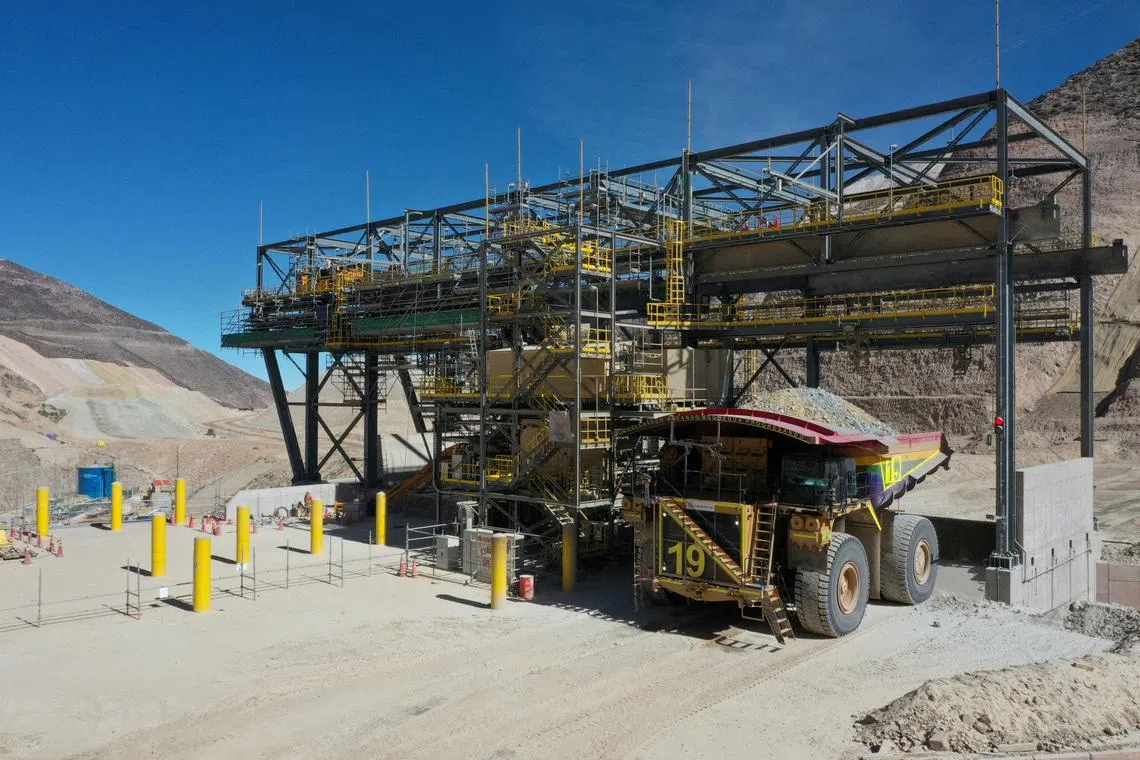
One of the most closely watched developments came on Sunday, when Southern Copper regained its permit to begin the first phase of its Tia Maria project. The project is expected to produce about 120,000 metric tons of copper annually from 2027, following an investment of about $1.8 billion.
Peru produced close to 2.77 million tons of copper last year. Output has remained largely flat over the past three years.
On Monday, investment bank Jefferies told clients in a note that despite the uncertainty from the elections, the impact on the mining sector was “limited.”
Southern Copper, controlled by Grupo Mexico, is one of Peru’s largest copper producers with several projects at exploration or early engineering stages. Its planned investments in Peru exceed $10.3 billion over the next decade, the company says.
“The delay in the presidential vote count until mid‑May, and a runoff in June with little clarity over the final candidates, adds an undesirable layer of uncertainty,” Jefferies said.
Still, the bank expects only a minimal impact on Southern Copper and the mining sector overall, as copper development in Peru is likely to remain a strategic priority “for any incoming administration”, regardless of political orientation. REUTERS