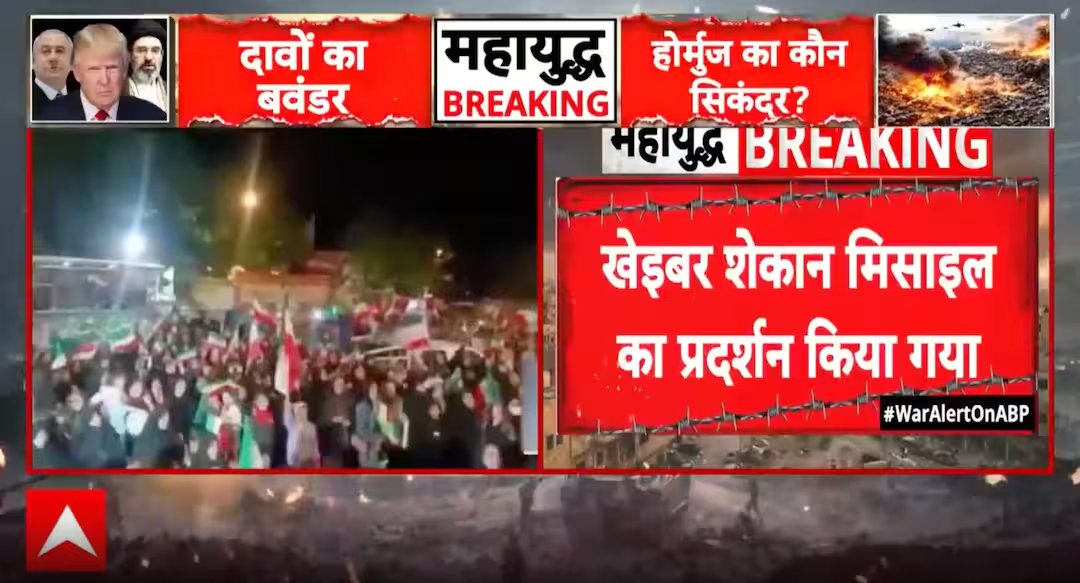
Tensions between the United States and Iran continue to escalate despite an extended ceasefire, with the strategically vital Strait of Hormuz emerging as the core flashpoint. Both nations are asserting control over the waterway, intensifying fears of a potential military confrontation. Fresh warnings from Donald Trump have further heightened the situation, as he reiterated that any agreement must align with US terms, warning of severe consequences if a deal fails. Meanwhile, Iran has refused to yield, insisting that negotiations will only begin once economic restrictions and blocked assets are addressed. On the ground, large-scale demonstrations have erupted in Tehran, where thousands of people have taken to the streets in support of their leadership. Protesters were seen showcasing advanced weaponry, including missiles and drones, signaling national unity and defiance. Iran’s Foreign Minister Abbas Araghchi claimed that growing internal unity has strengthened the country’s position against external pressures, including tensions involving Israel. Adding complexity, regional developments continue to unfold. A temporary ceasefire between Israel and Lebanon has been extended, while diplomatic efforts remain fragile. Security concerns have also prompted advisories, including warnings issued by the Embassy of India in Iran urging caution for travelers. With military posturing, economic pressure, and diplomatic deadlock converging, the Hormuz standoff is rapidly becoming one of the most critical geopolitical crises, with global implications for security and energy supply routes.