

KEY POINTS
- Aliko Dangote has pledged 95,000 skilled jobs as he expands his Lagos refinery to 1.4 million barrels per day.
- Once complete, the facility will overtake India’s Jamnagar to become the world’s largest single-train refinery.
- The expansion is central to Dangote’s plan to lift his group’s turnover to $100 billion by 2030.
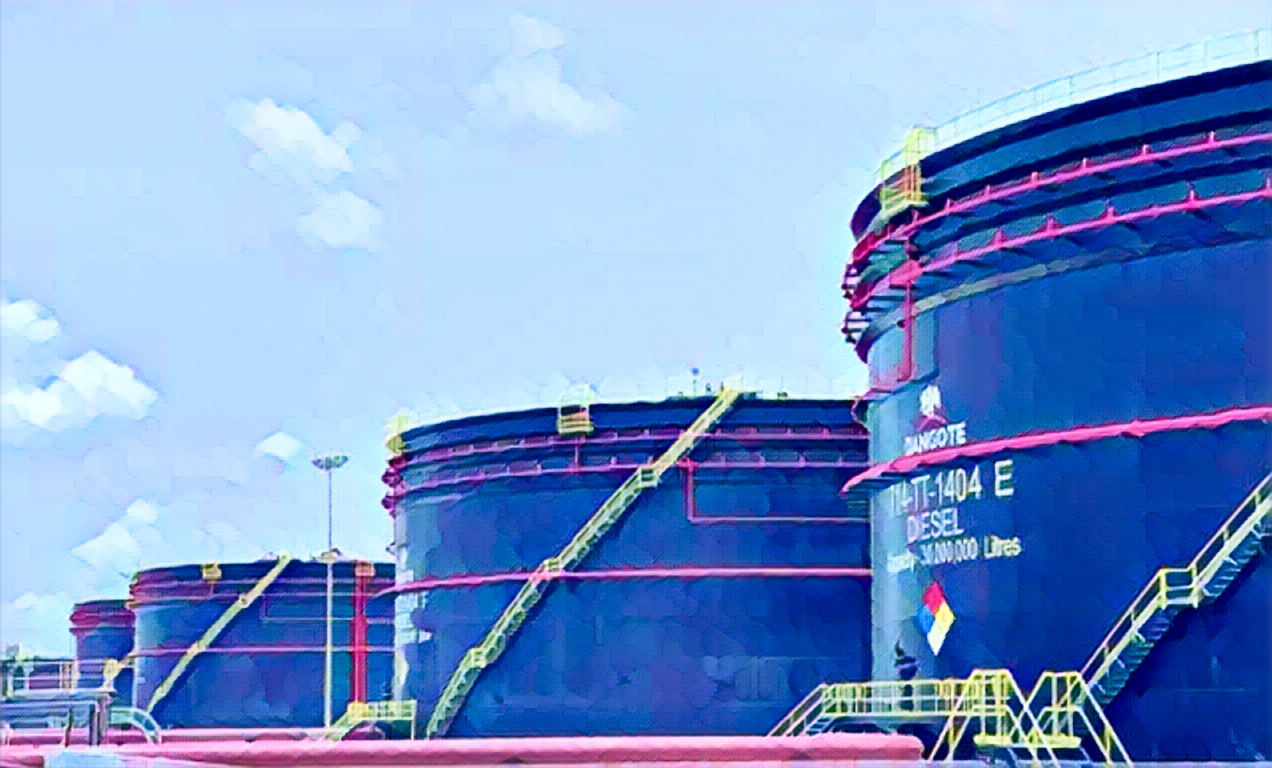
Aliko Dangote, the president of the Dangote Group, has pledged 95,000 skilled jobs as he scales his Lagos petroleum refinery to 1.4 million barrels per day. The expansion will more than double the plant’s current capacity of 650,000 barrels per day, taking the facility into uncharted territory for African industry.
Dangote announced the milestone Saturday in Lagos during his induction as an honorary fellow of the Nigerian Academy of Engineering. He framed the project as a defining moment for Nigeria’s industrial transformation and committed to delivering the build over a three-year window.
A scale designed to surpass Jamnagar
Once complete, the facility will overtake India’s Jamnagar refinery to become the largest single-train refinery in the world. Specifically, Dangote said the project will lean heavily on local engineers, technicians and artisans, opening a deep pipeline of opportunities for Nigerian talent at every skill level.
According to Billionaires Africa, he framed the build as a long-term bet on industrial capacity that extends beyond Nigeria into the wider African market. Furthermore, he expects the expansion to deliver meaningful foreign exchange savings for the country, easing the strain on the naira.
Notably, the expansion will stimulate local manufacturing and accelerate technology transfer in the oil and gas value chain. By cutting reliance on imported petroleum products, the group expects to bolster fuel security and ease pressure on Nigeria’s import bill.
Dangote said the Nigerian workforce has the capacity to deliver world-class infrastructure that meets global standards. The original 650,000-barrel facility took more than a decade to come online. Now the group is banking on a more experienced bench to deliver the next stage on schedule.
A nod from the academy
Rahamon Bello, the president of the Nigerian Academy of Engineering, called the recognition well deserved. He noted that Dangote’s influence stretches beyond physical assets and motivates a new generation of innovators to think boldly.
Specifically, Dangote becomes only the sixth honorary fellow in the academy’s history. The academy reserves the designation for figures whose work has reshaped Nigerian engineering at scale, placing him in a small group of industrial leaders the academy has formally acknowledged.
The refinery push sits at the center of a broader plan to lift the group’s turnover to $100 billion by 2030. Additionally, Dangote is scaling fertilizer output from three million metric tons to 12 million metric tons a year, with new bets on pipelines, data centers, mining and ports.
Together, these moves position the conglomerate as a heavyweight in global industry while filling critical infrastructure gaps across the continent. The strategy ties capital deployment directly to industrial output rather than financial speculation.
What 95,000 jobs mean
Meanwhile, the 95,000-job pledge lands at a moment when Nigeria’s youth unemployment crisis has weighed heavily on the country’s economic outlook. Skilled construction work on the scale Dangote is promising will require partnerships with technical schools, engineering programs and trade training centers.
With the original refinery already supplying jet fuel to Europe and petrol to West Africa, the expansion’s success will hinge on whether Nigeria’s workforce can keep pace with the build. Crucially, Dangote’s bet on local talent at every skill level signals confidence that the country’s engineering bench has matured. Whether that bench delivers on time is the question that will define the next phase of Nigeria’s industrial story.