

KEY POINTS
- Atiku, Obi and other opposition leaders met in Ibadan and vowed to field a single candidate against Tinubu in 2027.
- APC dismissed the move as a “coalition of confusion” while Wike, Keyamo and Sowore called it dead on arrival.
- NNPP and APGA founding chairman Chekwas Okorie welcomed the move; Afenifere said any joint ticket needs an ideological agenda.
Atiku Abubakar, Peter Obi and a battery of other opposition leaders have vowed to throw their weight behind a single presidential candidate against President Bola Tinubu in 2027. The pact, sealed at an Ibadan summit on Saturday, set off a sharp wave of reactions across the political spectrum.
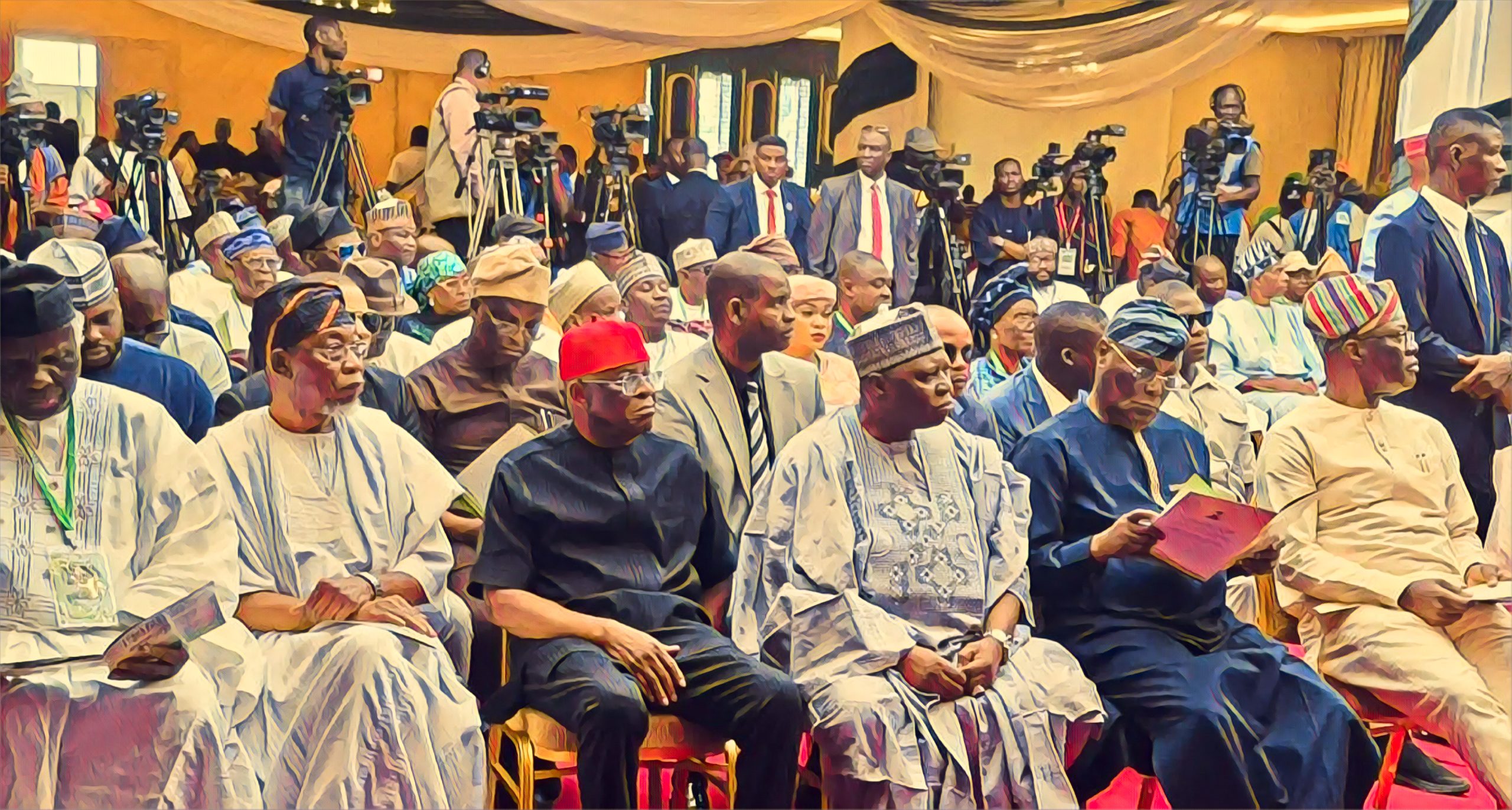
Oyo State Governor Seyi Makinde hosted the summit, which drew former Vice President Atiku Abubakar, former Anambra Governor Peter Obi, former Rivers Governor Rotimi Amaechi and former Osun Governor Rauf Aregbesola, alongside factional ADC and PDP leaders.
APC fires back
The All Progressives Congress did not waste time. Felix Morka, the party’s national publicity secretary, dismissed the gathering as a “coalition of confusion” and condemned Makinde for invoking “Operation Wetie,” a notorious campaign of political violence in Nigeria’s First Republic.
“The APC categorically condemns Governor Makinde’s incitement as reckless, and a clear and present threat to peace and national security,” Morka said.
Furthermore, Morka accused Atiku of “ruthless confiscation” of the PDP’s 2023 ticket and accused Peter Obi of subverting the Labour Party with a “restless nomadic disposition.”
FCT Minister Nyesom Wike said the opposition posed no threat to Tinubu and accused Makinde of bleeding Oyo’s treasury to chase a vice presidential ticket. Aviation Minister Festus Keyamo questioned the operational logic of any merger.
“They are a confused lot. Team up under which banner? What happens to the candidates for other offices on both sides who will be on the ballot same day?” Keyamo asked.
Meanwhile, African Action Congress convener Omoyele Sowore confirmed he turned down the summit invitation. Specifically, he argued the conveners had no credible claim to the mantle of opposition and would not recycle failed political actors.
Allies and skeptics in the middle
On the other side, the New Nigeria People’s Party hailed the move as a “historic realignment of purpose.” Additionally, Afenifere welcomed the idea but demanded an ideological agenda. Notably, Akin Osuntokun, former political adviser to Olusegun Obasanjo, said it could prevent Nigeria’s slide toward a one-party state.
However, fresh cracks emerged within the ADC itself. Kingsley Ogga, chairman of the faction aligned with 2023 presidential candidate Dumebi Kachikwu, distanced his side from the Ibadan summit and said the party should put its house in order first.
Similarly, the Social Democratic Party rejected the Ibadan Declaration. Specifically, Rufus Aiyenigba, SDP national publicity secretary, said the meeting was largely an ADC and PDP affair that sidelined other front-line opposition parties.
A counter strategy
Chekwas Okorie, founding national chairman of APGA, framed the opposition’s move as a counter strategy to a ruling party that already controls 31 of 36 governors and dominates both legislative chambers. He said the plan could cause an upset if the parties back it with sincerity.
Whether the opposition can turn the Ibadan declaration into a single ticket and coordinated campaign remains the open question. Crucially, with APC primaries already scheduled and the 2027 calendar tightening, the unity vow now faces its hardest test: implementation.