

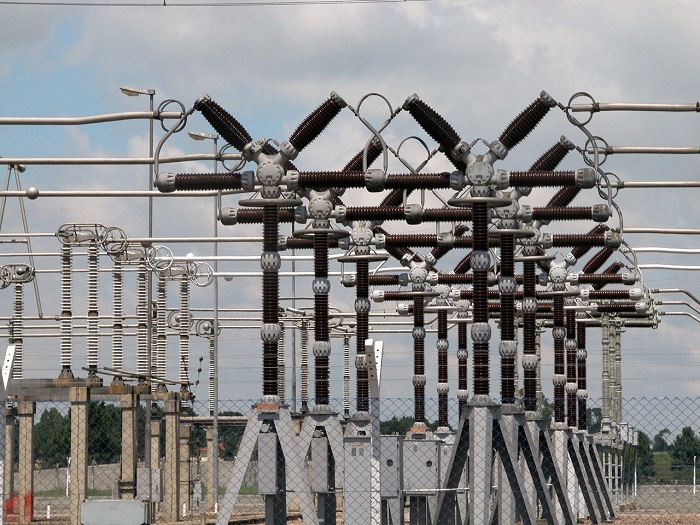
Lagos State is working to improve electricity supply by generating and distributing its own power, instead of depending heavily on Nigeria’s national grid.
The state recently secured 400 megawatts of electricity and plans to use it to support public facilities over the next three years.
The Commissioner for Energy and Mineral Resources, Biodun Ogunleye, said Lagos wants to reduce its reliance on the national grid, which has been unreliable and often collapses.
Nigeria’s grid currently produces about 3,000 megawatts of electricity, far below the country’s estimated demand of over 30,000 megawatts. Because of this shortage, many homes and businesses depend on generators or solar power.
A new law, the Electricity Act 2023, now allows states to manage their own electricity markets. So far, at least 22 states have started developing their own systems, but Lagos is leading the way.
In 2025, Lagos created its own electricity regulator and took full control of power within the state. The federal regulator still oversees national grid operations and electricity that crosses state boundaries.
Experts say this shift could transform Nigeria’s power sector, but warn that poor coordination between states and the federal government could create confusion, especially around pricing and standards.
As part of its plan, Lagos signed agreements with three companies—Fenchurch Power, Mainland Power, and Viathan Engineering—to supply electricity.
The state also changed how it pays for power. Unlike before, it will now pay only for the electricity it actually receives, instead of paying for unused or undelivered power.
Officials believe this will improve transparency, reduce waste, and ensure better use of public funds while improving electricity supply across the state.