

The administration of US President Donald Trump has placed economic sanctions on a major oil refinery in China and around 40 shipping companies and tankers linked to transporting Iranian oil. The move was announced on Friday, reported by The Associated Press. The sanctions follow through on the administration’s warning to punish companies and countries that continue doing business with Iran. They are part of a wider effort to cut off Iran’s main source of income, its oil exports.
At the same time, the US has imposed a physical blockade on the Strait of Hormuz this month, a key route for global energy supplies.
Timing ahead of US-China talks
These actions come just weeks before President Donald Trump is expected to meet China’s leader Xi Jinping in China. Among those affected is Hengli Petrochemical’s refinery in the port city of Dalian. The facility can process about 400,000 barrels of crude oil per day, making it one of the largest independent refineries in China.
The US Treasury Department says Hengli has received Iranian crude oil shipments since 2023 and has generated hundreds of millions of dollars in revenue for the Iranian military.
Claims about wider network
The advocacy group United Against Nuclear Iran said in February 2025 that Hengli is one of dozens of Chinese buyers of Iranian oil.
US vows continued action
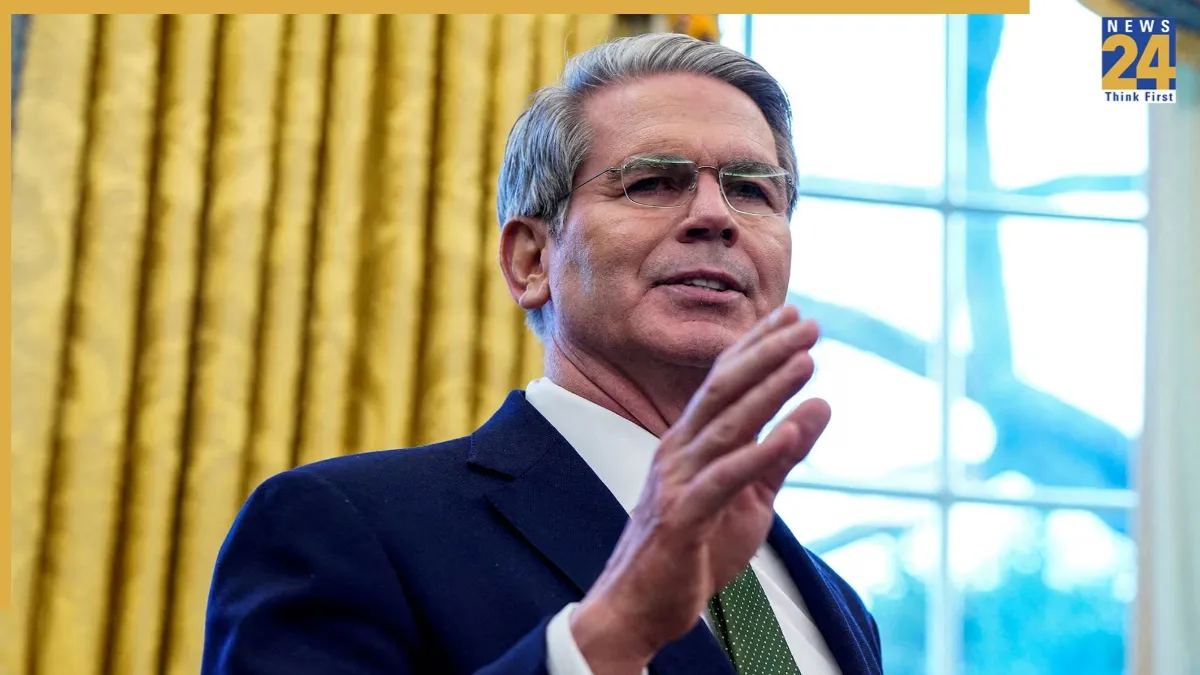
Treasury Secretary Scott Bessent said Friday that his agency “will continue to constrict the network of vessels, intermediaries and buyers Iran relies on to move its oil to global markets.”
Earlier this month, his department sent letters to financial institutions in China, Hong Kong, the UAE and Oman, warning of possible secondary sanctions for doing business with Iran and accusing them of allowing Iranian illicit activities through their systems.
Bessent said during a White House press briefing on April 15 that the administration has told countries “that if you are buying Iranian oil, that if Iranian money is sitting in your banks, we are now willing to apply secondary sanctions, which is a very stern measure.”
Impact on global energy markets
The sanctions come at a time when the global energy market is already unstable. Conflict around the Persian Gulf has disrupted oil and gas shipments, pushing prices higher.
The Treasury has tried to ease the pressure by issuing temporary waivers on Russian oil sanctions and a one-time waiver for Iranian oil already at sea.