
Peter Obi blames management failures for nationwide grid collapse, energy disaster

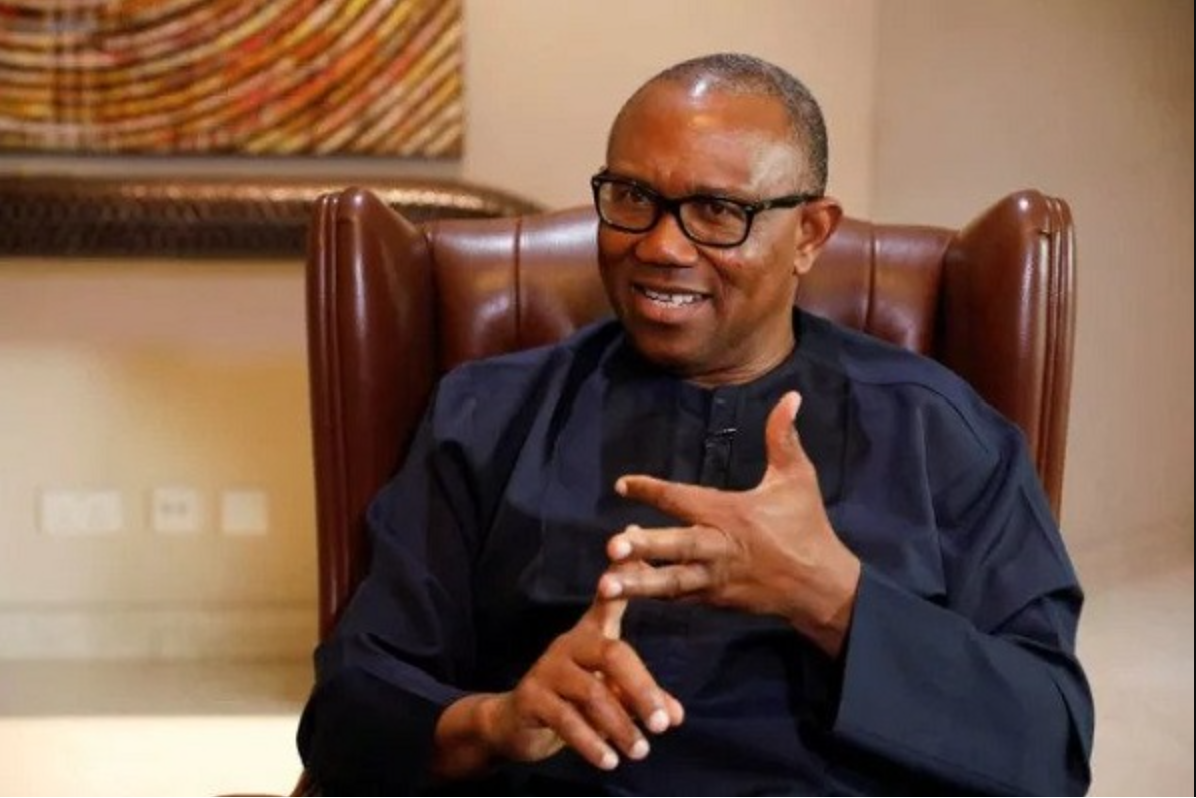
Former presidential candidate and former Governor of Anambra State, Peter Obi, has attributed Nigeria’s perennial nationwide grid collapse and worsening electrical energy disaster to persistent management failures.
Obi made the remarks in a social media submit on X (previously Twitter) on Saturday, referencing the most recent grid collapse.
He identified that the issue has been recurring, with a number of of collapse recorded in 2025, and now the disaster has returned in January 2026.
The previous presidential candidate highlighted the long-standing underperformance of Nigeria’s energy sector, describing it as unacceptable for Africa’s most populous nation.
Obi famous that for 3 consecutive years—from 2023 by 2025—Nigeria has been ranked because the nation with the bottom entry to electrical energy worldwide, leaving practically 100 million residents with out dependable energy.
Obi expressed deep disappointment over Nigeria’s power state of affairs and emphasised the pressing want for competent management within the sector.
Obi urged Nigerians to prioritise management qualities reminiscent of competence, accountability, and empathy in future elections.
He burdened that the ability sector is essential for industrialisation, enterprise development, and bettering the standard of life for residents, and warned that something lower than sturdy management is unacceptable.
Nairametrics reported yesterday that Nigeria was plunged into darkness following the collapse of the nationwide electrical energy grid, marking the primary system failure recorded in 2026.
Knowledge obtained from the Nigerian Impartial System Operator (NISO) confirmed that energy technology throughout the nation dropped to 0 megawatts (MW) at about 1:00 pm, indicating a complete shutdown of the grid.
The collapse triggered widespread blackouts in lots of components of the nation, with electrical energy distribution corporations pressured to close down provide to prospects on account of the system failure.
The NISO says Friday’s nationwide energy outage was attributable to a system-wide disturbance from a number of 330kV transmission line journeys and the disconnection of some grid-connected producing items.
NISO mentioned preliminary findings from its operational evaluation level to a number of failures on the high-voltage transmission community, which finally destabilised your entire system.
Nigeria’s nationwide grid has skilled repeated partial and whole collapses lately, elevating issues amongst trade stakeholders and electrical energy customers.