

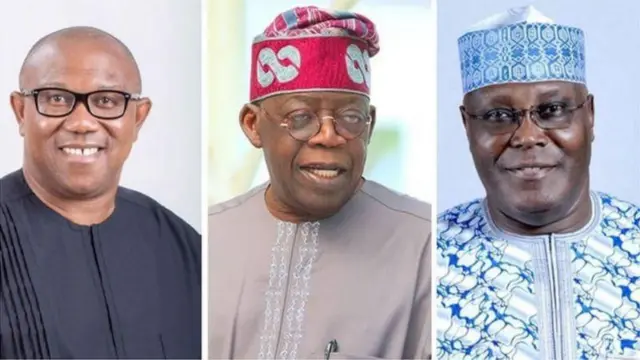
The Arewa group has introduced that the 19 northern states will reveal their most well-liked presidential candidate for the 2027 normal elections in April this yr.
The group stated the declaration can be made through the northern conference scheduled for April.
Briefing journalists in Abuja on Friday about plans for the 2026 Sardauna Memorial Day, the northern organisation below the Rebuild Arewa Initiative for Growth (RAID) stated the area faces “deep and interrelated challenges that may now not be addressed with silence, denial or fragmented efforts.”
Highlighting the worsening insecurity throughout Northern Nigeria, the group revealed plans to carry a significant regional conference aimed toward crafting a unified technique on safety, improvement, and inclusive governance forward of the 2027 elections.
The conference, the group defined, “would function a non-partisan platform for Northern stakeholders to collectively tackle the area’s urgent socio-economic, political and safety challenges.”
Saturday gathered that RAID has reached out to all northern {groups} to make sure a uniform place on the 2027 polls through the April conference.
Studying from a ready assertion, RAID’s Director of Communications and Publicity, Comrade Bitako Abubakar Umar, stated the conference “would convey collectively political, conventional and non secular leaders, in addition to youth and ladies {groups}, civil society organisations, professionals and enterprise leaders.”
He added that members will “work in the direction of articulating a standard place on restoring peace, tackling poverty and unemployment, reviving schooling and strengthening governance throughout the North.”
Umar defined that the initiative goals to supply “a people-driven roadmap that can information management selections and coverage route within the run-up to the 2027 polls,” whereas reaffirming the North’s dedication to unity, constructive engagement, and nationwide improvement.
He warned that ongoing insecurity, characterised by banditry, terrorism, farmer-herder clashes, and kidnappings, “poses a grave threat not solely to the area but additionally to Nigeria’s general stability and prosperity.”
Fielding questions from journalists, Umar attributed the insecurity to “weak prosecution of prison parts, poor governance and failure to successfully implement key social insurance policies, significantly within the schooling sector.”
He lamented the tradition of impunity, noting that “reviews of previous commissions of inquiry have been not often adopted by prosecutions,” and criticised ransom funds to kidnappers, saying they “reinforce inequality and incentivise criminality.”
Umar additional blamed poor implementation of the Common Fundamental Training coverage for the rising variety of out-of-school kids, lots of whom “are simply recruited by extremist and prison {groups} working within the area.”
Past safety, he stated political interference, historic injustices, and selective remembrance of nationwide leaders “have continued to gas discontent within the North,” emphasising the necessity for inclusive dialogue and recognition of shared sacrifices in nation-building.
Earlier, RAID’s Secretary, Comrade Kabiru Duhu, referred to as on Northern Nigeria to emulate the management philosophy of Sir Ahmadu Bello, describing his legacy as “vital to addressing insecurity, poverty and weak establishments.”
He recalled that the Sardauna of Sokoto, Northern Nigeria’s Premier from 1954 to 1966, was “broadly thought to be a visionary statesman who prioritised schooling, unity, institutional improvement and ethical management.”
Duhu famous that the Sardauna’s administration “established landmark establishments, together with Ahmadu Bello College, alongside lecturers’ schools, scholarship schemes and agricultural initiatives that drove {economic} development and social cohesion within the area.”
He added that the Sardauna’s “inclusive governance model, private integrity and long-term planning stay related as we speak.”
They concluded that Northern Nigeria’s path to stability and prosperity “lies in consciously adapting the ideas and values exemplified by Sir Ahmadu Bello.”